
What gear do you need to ride a motorcycle?

In short
Here are the items to prioritize:
| Equipment | Role | Priority | Selection criteria |
|---|---|---|---|
| Helmet | Protect the head | Mandatory | Certification, fit |
| Visor or goggles | Protect the eyes | Mandatory depending on conditions | Visibility, anti-fog |
| Jacket | Limit abrasion | Essential | Protectors, ventilation |
| Gloves | Protect the hands | Essential | Fit, durability |
| Pants | Protect the legs | Essential | Abrasion-resistant textiles |
| Boots | Protect feet and ankles | Essential | Reinforcements, traction |
What gear do you need to ride a motorcycle?
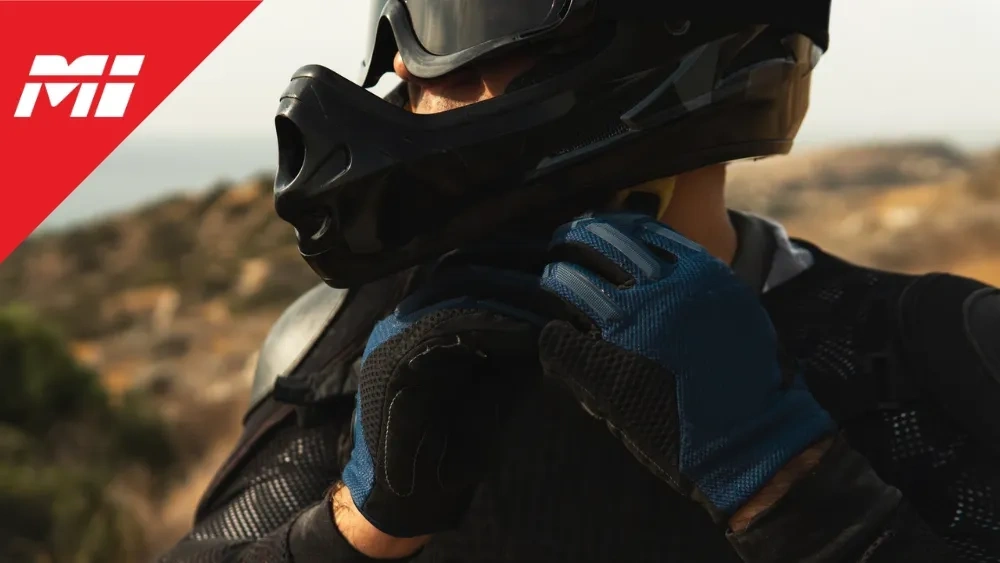
To gear up for riding a motorcycle, plan a compliant helmet, eye protection, a jacket, gloves, pants and suitable boots. Dressing properly for motorcycle riding helps reduce the risk of injury and lets you ride comfortably despite changing weather.
What gear is mandatory to ride a motorcycle in Quebec?
On public roads, a compliant helmet is mandatory. Eye protection is also required in certain conditions. Other garments are strongly recommended, but not all are legally mandatory in regular traffic.
Certified helmet: the essential item
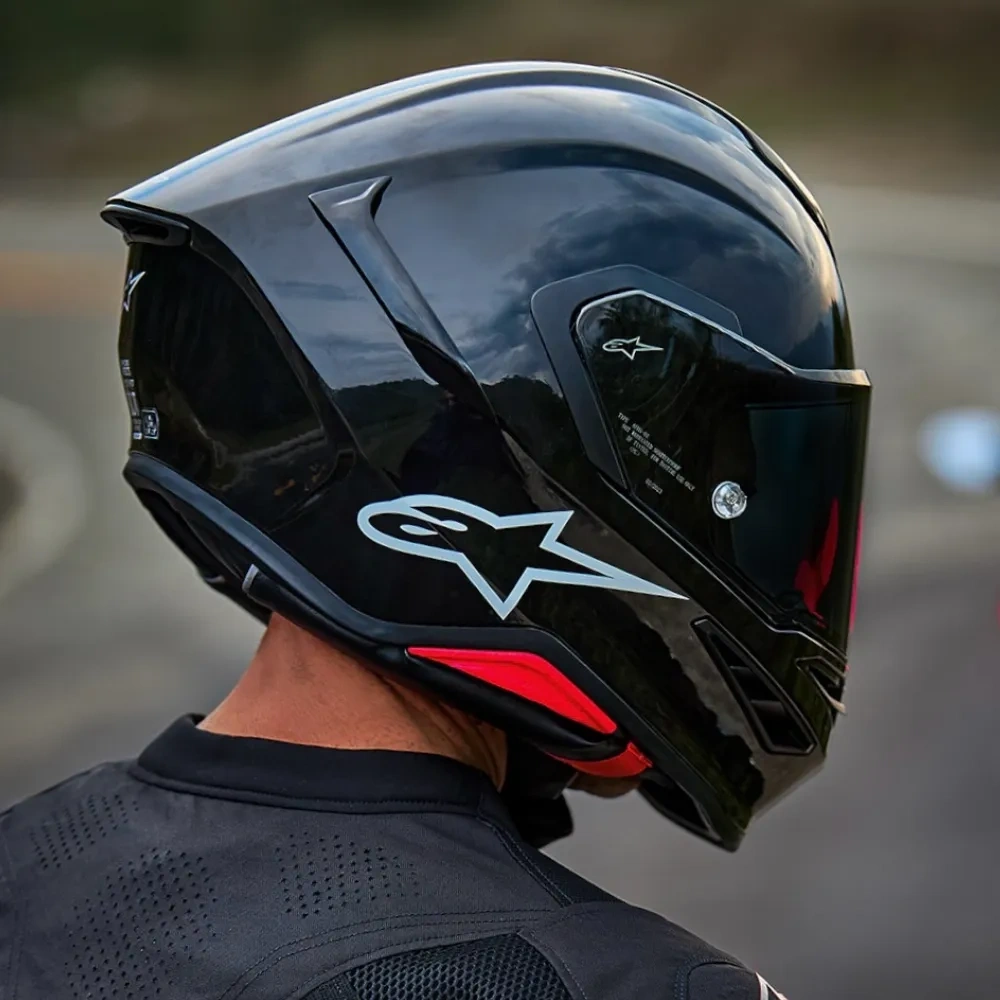
The helmet must meet a standard recognized in Quebec, notably DOT. A full-face model offers more facial coverage. Check for fit, ventilation and field of view.
Visor or protective eyewear
When the speed limit is over 50 km/h, the rider must wear eye protection. Without a visor, protective goggles are required. This protection remains recommended at all times.
Courses and exams: gear required by the SAAQ
For practical courses and the road exam, the SAAQ requires in particular:
- Compliant helmet and eye protection.
- Long-sleeve garment and intact long pants.
- Gloves fully covering the hands.
- Boots or closed-toe shoes.
Specific requirements vary by test. Our guide to obtaining your motorcycle license in Quebec provides more details.
A helmet is mandatory on the road, while courses and exams require additional protection.
The 5 essential items for safer riding
1. A well-fitted motorcycle helmet
Choose a full-face helmet that is comfortable, well ventilated and suited to your head shape. Inspect the visor regularly and follow the manufacturer's care recommendations.
2. A motorcycle jacket with protectors
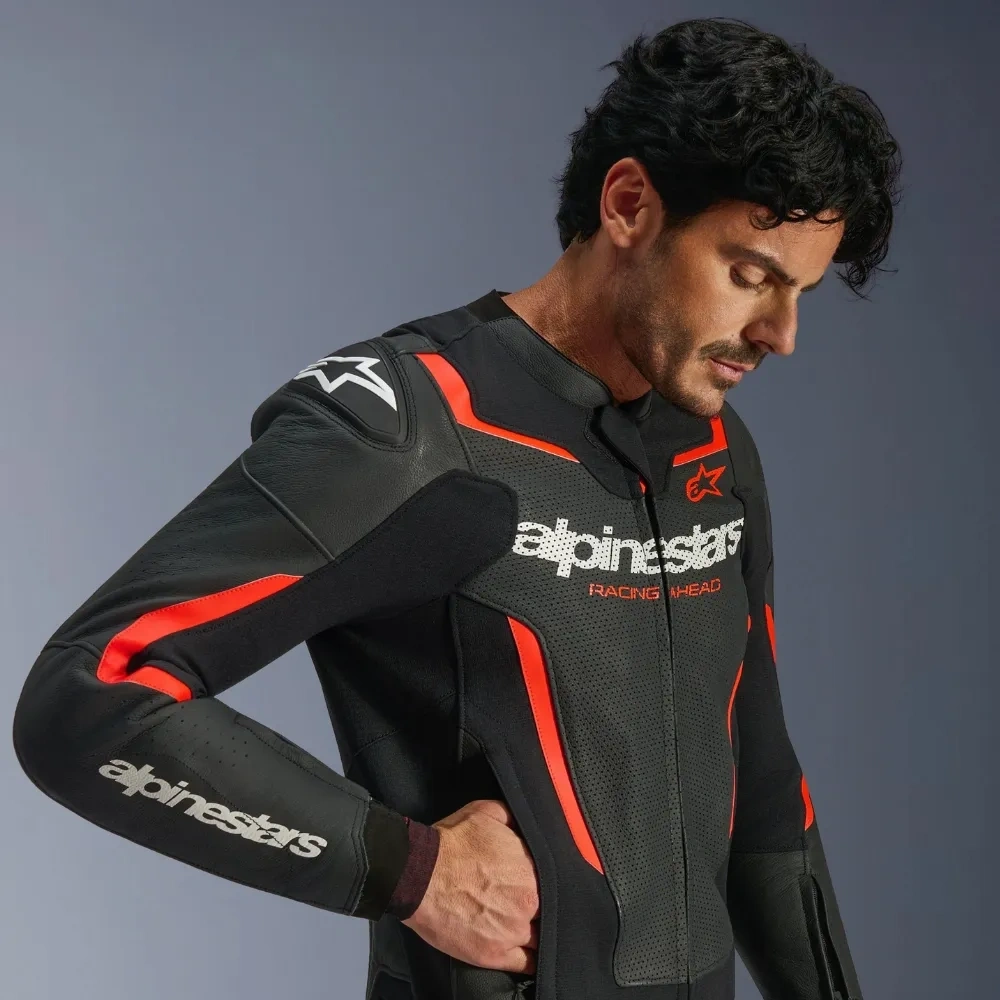
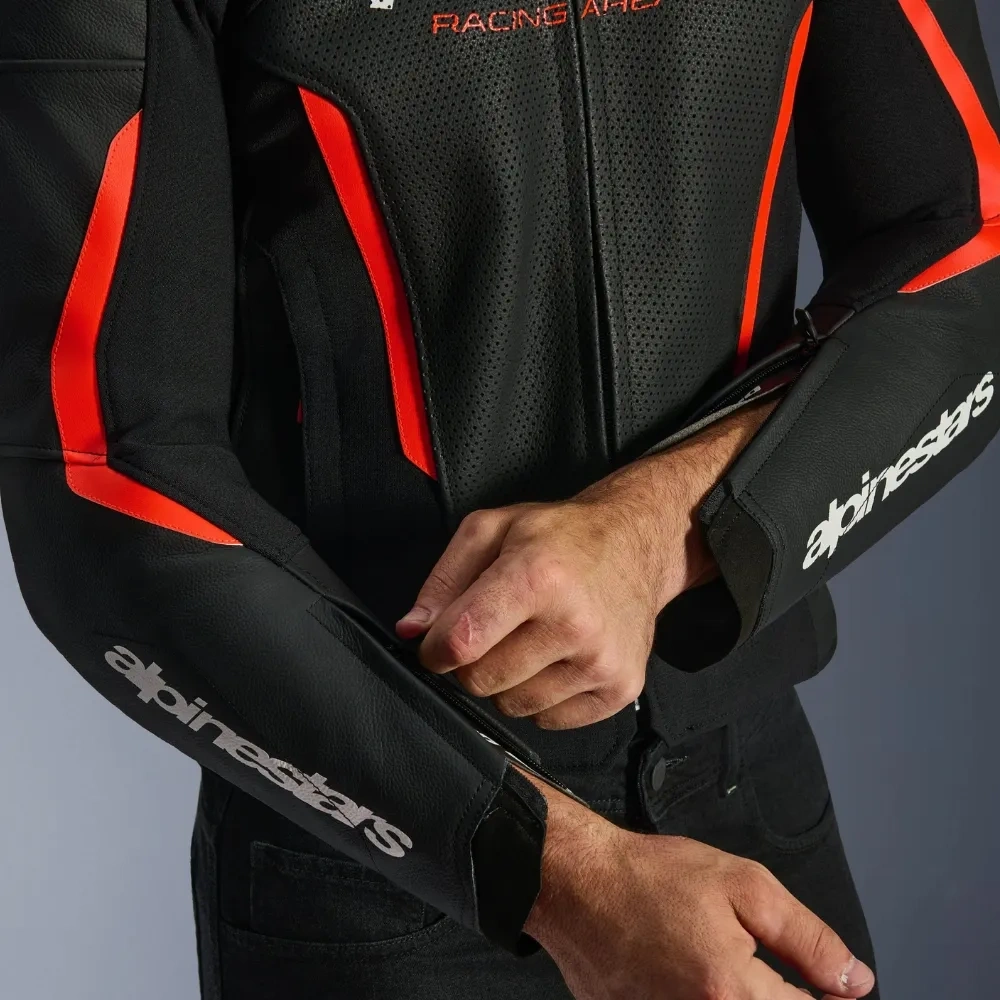
Leather and abrasion-resistant textiles provide different options. Look for protectors at the shoulders and elbows, and ideally a back protector.
3. Gloves that cover the hands and wrists
Pick gloves that resist abrasion, remain flexible enough to operate the controls and fasten securely at the wrists.
4. Pants built for motorcycle riding
Unlike regular jeans, motorcycle pants use abrasion-resistant materials and may include knee and hip protectors.
5. Boots that protect the ankles
Choose boots with reinforcements, non-slip soles and water resistance, without compromising mobility.
Each piece helps protect an area of the body from impacts, abrasion and bad weather.
How to choose your motorcycle gear when starting out?
Prioritize protection before accessories
To know how to dress for motorcycle riding, buy in this order: helmet, jacket, gloves, boots, pants, then comfort accessories.
Pick the right size and fit
Protectors can shift during a fall on a garment that is too loose. If it is too tight, it might restrict movement. Try the gear in the riding position.
Check certification, protection and materials
Check certifications, reinforcements and abrasion-resistant materials. Gear designed specifically for motorcycle use is preferable to everyday clothing.
When starting out, always prioritize fit and protection over appearance.
How to gear up by weather and season?
Riding in hot weather
Choose a ventilated jacket, technical textiles and light colours. Avoid sacrificing protection to stay cooler.
Riding in the rain or in cool weather
Plan a waterproof overlayer, suitable gloves, water-resistant boots and thermal layers.
Modular gear lets you handle heat, wind and rain without compromising protection.
Street, sport, touring or adventure: do you need the same gear?
Adapt protection to your riding style
Urban riding favours mobility. Touring prioritizes long-distance comfort. Sports riding calls for greater support. Adventure bikes require protection adapted to varied terrain.
The types of motorcycles influence your gear. Our selections of motorcycles for beginners and street motorcycles can guide your choice.
Comfort, ventilation and protection: find the right balance
Choose according to your actual routes, the weather and your riding position, rather than a brand or the look.
Protection remains essential, but ventilation and waterproofing vary with how you ride.
What budget should you plan for, for a full motorcycle kit?
Cost depends on materials, protective features and product range. Allocate your budget first to the helmet, jacket, gloves, pants and boots.
Do not cut corners on fit or abrasion resistance. Secondary accessories can wait.
Browse our selection of apparel and accessories


FAQ
What gear is mandatory to ride a motorcycle in Quebec?
A compliant helmet is mandatory. Eye protection is also required when the speed limit is over 50 km/h.
Which helmet should you choose to start riding a motorcycle?
A certified full-face helmet that is ventilated and fits perfectly.
Can you ride a motorcycle in regular jeans?
Yes, on public roads, but abrasion-resistant pants offer better protection.
Do you have to wear gloves on a motorcycle?
Not in normal traffic, but they are required during practical courses and exams.
Which boots should you choose for motorcycle riding?
Boots that cover the ankles with reinforcements and non-slip soles.
How should you dress on a motorcycle when it is very hot?
Choose ventilated garments designed for motorcycle use, without removing protectors.
Which gear should you buy first when starting out?
Start with the helmet, then add a jacket, gloves, boots and pants.