Suzuki vs. Kawasaki

Summary
- Legacy and rivalry: power vs. innovation
- Iconic models that made history
- Kawasaki Ninja: the circuit icon
- Performance comparison: track vs. road
- Technology and innovation: equipment faceoff
- Rider experience: comfort and style
- Economic duel: value and upkeep costs
- Suzuki or Kawasaki: whatever your preference, Motos Illimitées is your ideal partner for a successful purchase
- FAQ
In summary
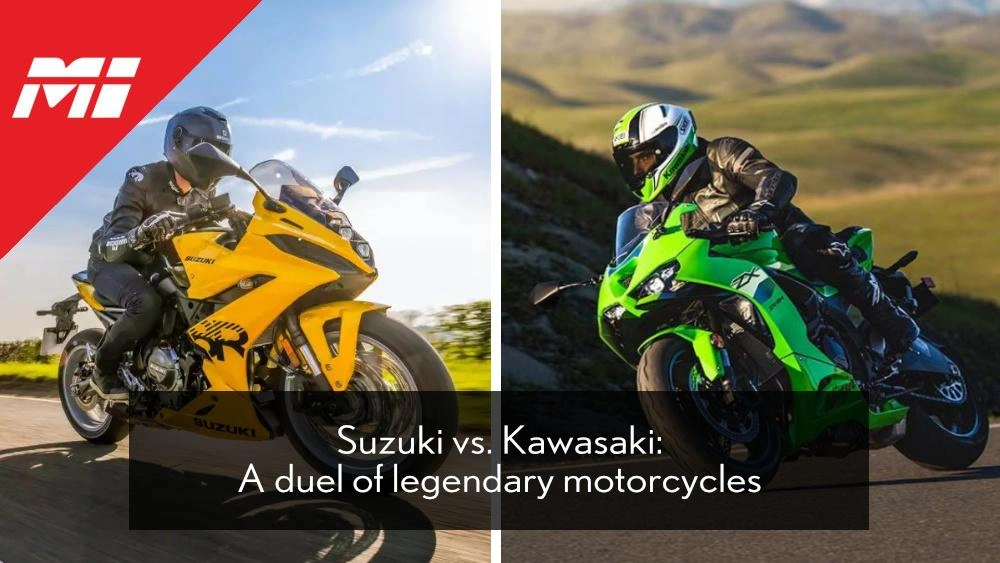
Kawasaki vs. Suzuki. Suzuki offers more affordable models designed for daily riding with lower maintenance needs. Kawasaki showcases motorcycles focused on maximum performance and high-output machines.
Both manufacturers bring a wide range of models to market, covering almost every motorcycle type.
Legacy and rivalry: power vs. innovation
The birth of legends: Suzuki and Kawasaki
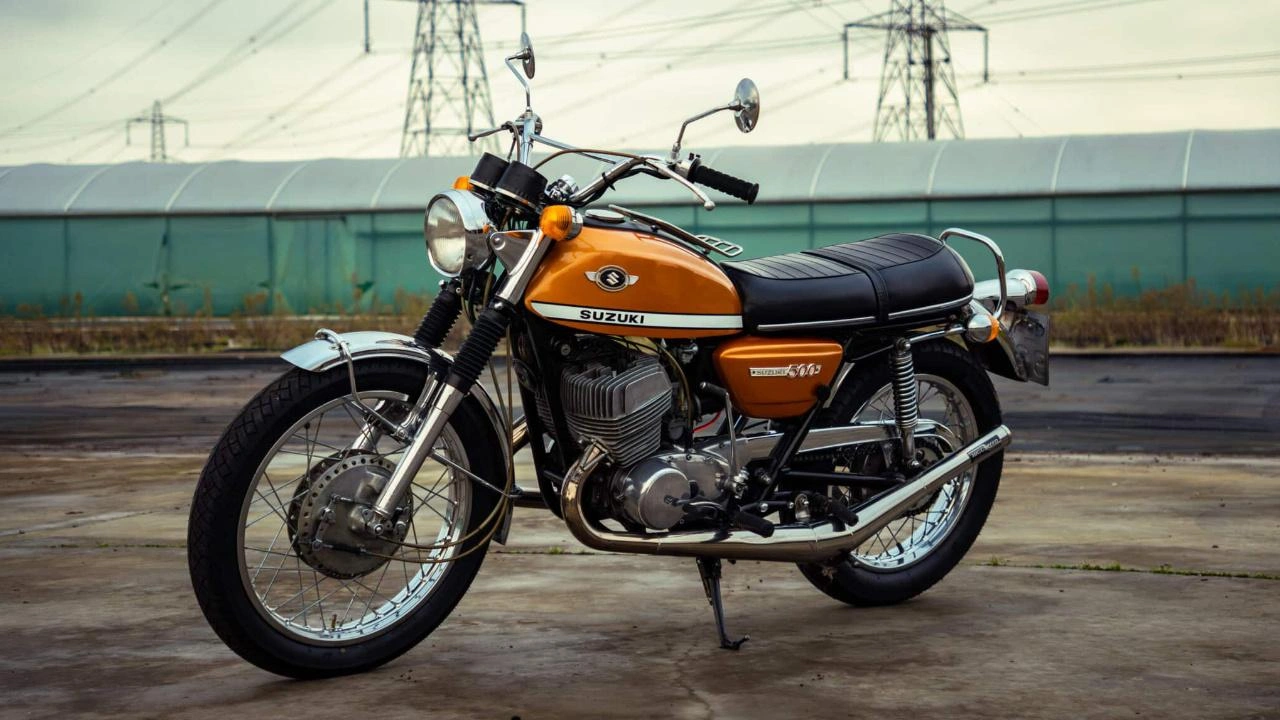
Surprisingly, Suzuki, founded in 1909 in Japan, was initially a company specialized in looms. From these modest beginnings, the Suzuki we know today emerged in 1937, when the company began producing motor vehicles.
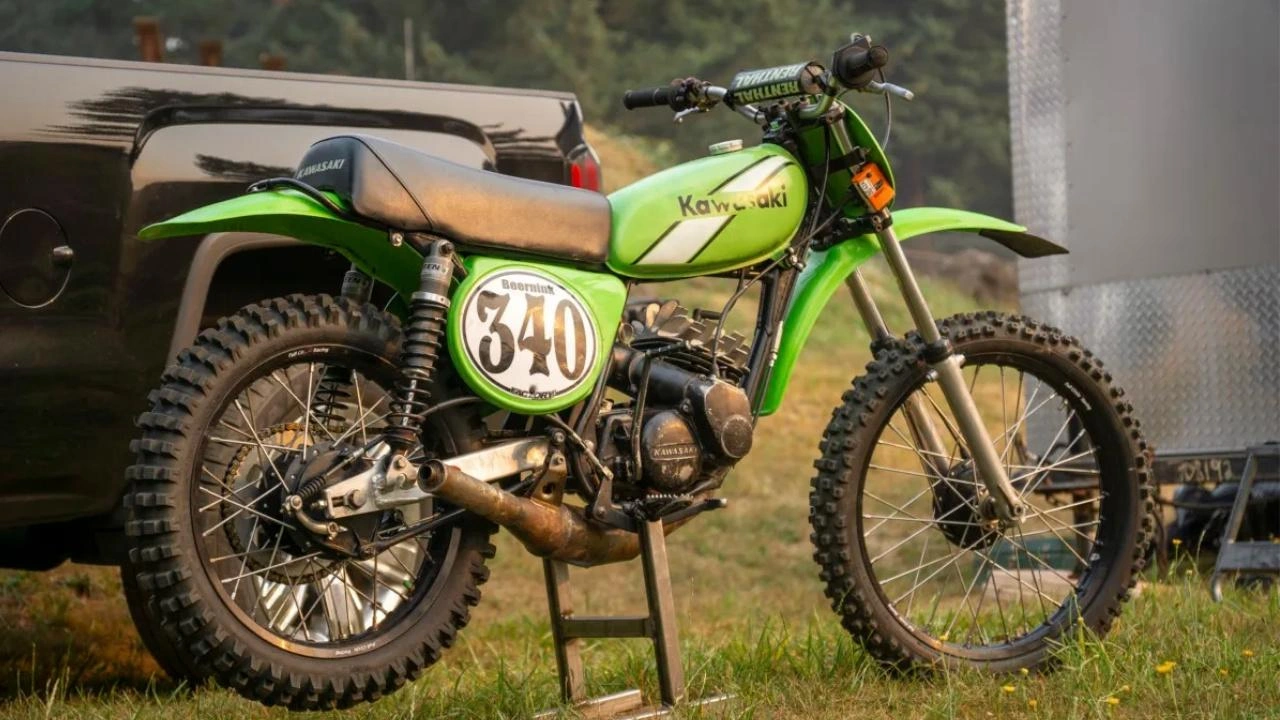
On the other hand, Kawasaki was established in 1896 in Japan as a shipbuilding company. During the Second World War, the company started producing land vehicles, including motorcycles.
Innovations and technological advances
In the Suzuki vs. Kawasaki debate, both manufacturers are pioneers in the motorcycle segment and have each been behind many innovations.
Today, Kawasaki is recognized for high-performance models that offer cutting-edge technology.
Iconic models that made history
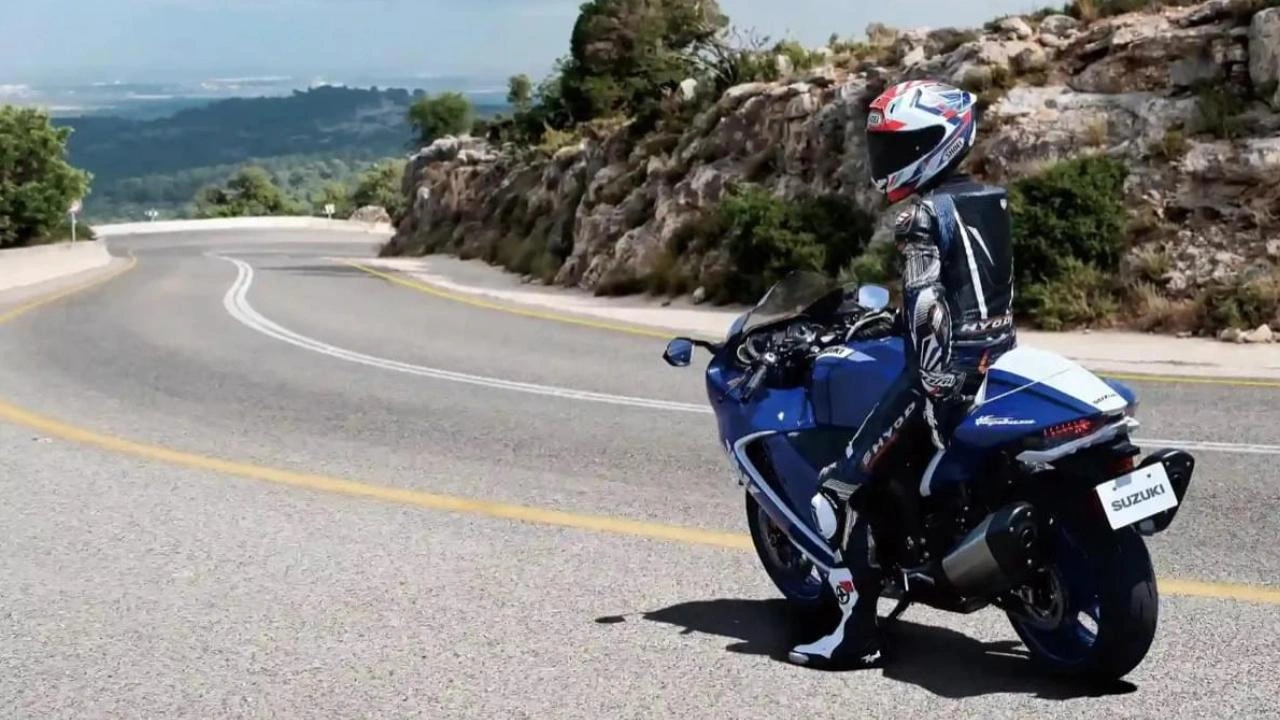
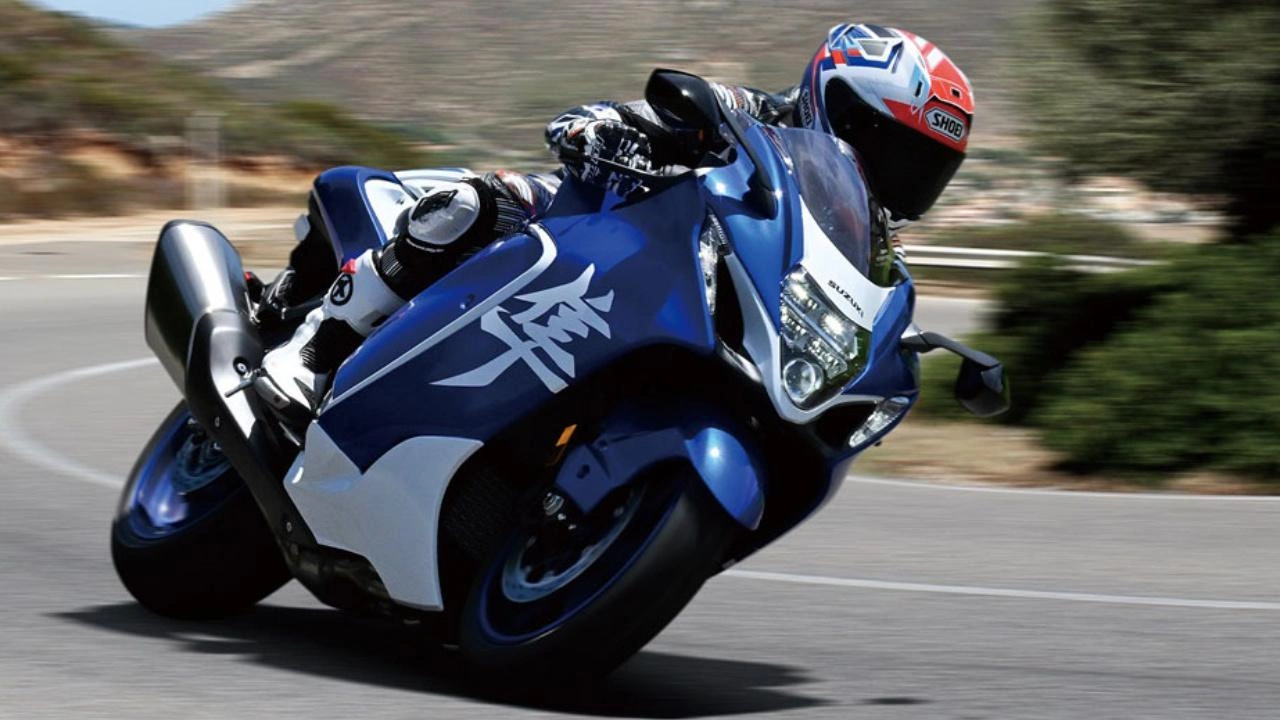
Suzuki Hayabusa: the quest for speed
Launched in 1999, the Suzuki Hayabusa captured the title of the fastest production motorcycle in its first year, reaching a top speed just above 300 km/h.
Since that landmark moment, the Suzuki Hayabusa has remained one of the most capable sports motorcycles on the market. In 2026, the Suzuki Hayabusa has a starting price of $25,246.
Kawasaki Ninja: the circuit icon
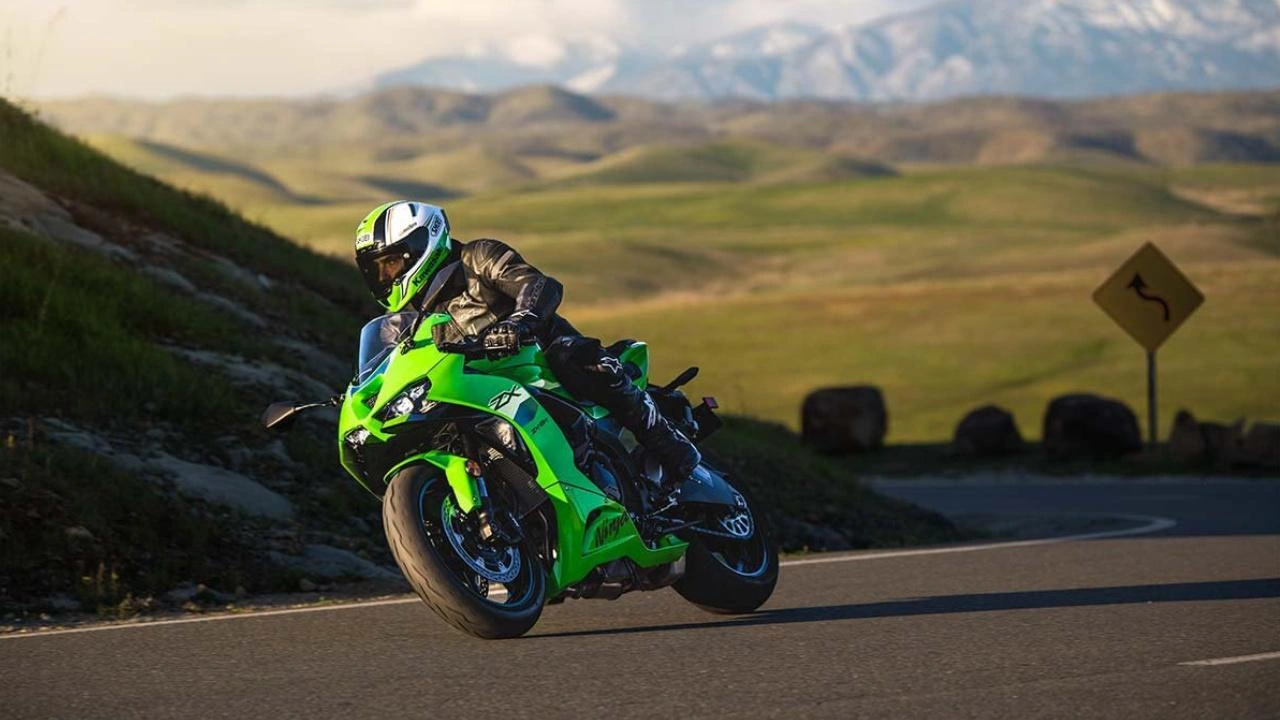
The first model to bear the Ninja name appeared in 1984. The Kawasaki Ninja lineup is known for offering a wide spectrum of performance.
Depending on the model, these are sports motorcycles ideal for daily thrills, while top-end trims are often seen on professional circuits.
In 2026, the Kawasaki Ninja 300 starts at only $5,999.
Performance comparison: track vs. road
Speed tests: Hayabusa vs. Ninja
In terms of outright speed, the Kawasaki Ninja H2R surpasses the Hayabusa in 2026. While the Hayabusa's top speed remains around 300 km/h, the Kawasaki Ninja H2R can reach up to 400 km/h under perfect conditions.
In reality, for the vast majority of riders, both models offer more than enough in terms of top speed.
Handling and control: what are the differences?
In general, while Kawasaki motorcycles focus on maximum power and very high speeds, Suzuki bikes often deliver more agile handling and a riding experience better suited to everyday use.
Nevertheless, whatever type of motorcycle you are looking for, both manufacturers produce models of every kind.
Technology and innovation: equipment faceoff
Rider assistance and safety systems
Both companies always keep your safety and comfort in mind.
Although Kawasaki generally offers more technology, particularly in regards to safety, Suzuki features a wide array of standard technologies.
Exclusive innovations: Suzuki vs. Kawasaki
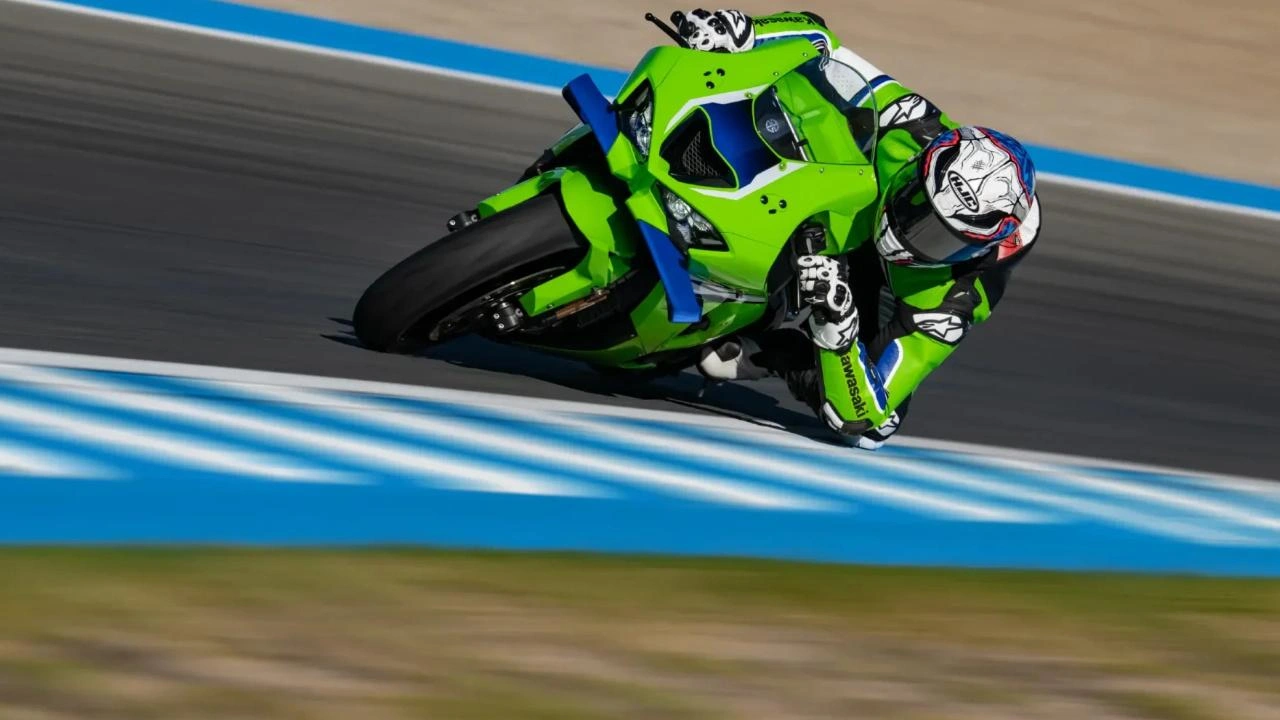
In 2026, the supercharged 998 cc engine that equips the Kawasaki Ninja H2R remains one of Kawasaki’s major innovations.
For its part, Suzuki announced last year that vehicles under the brand’s name will continue to be built lighter. The latest news suggests a potential reduction reaching up to 176 pounds.
Rider experience: comfort and style
Design and ergonomics: rider preferences
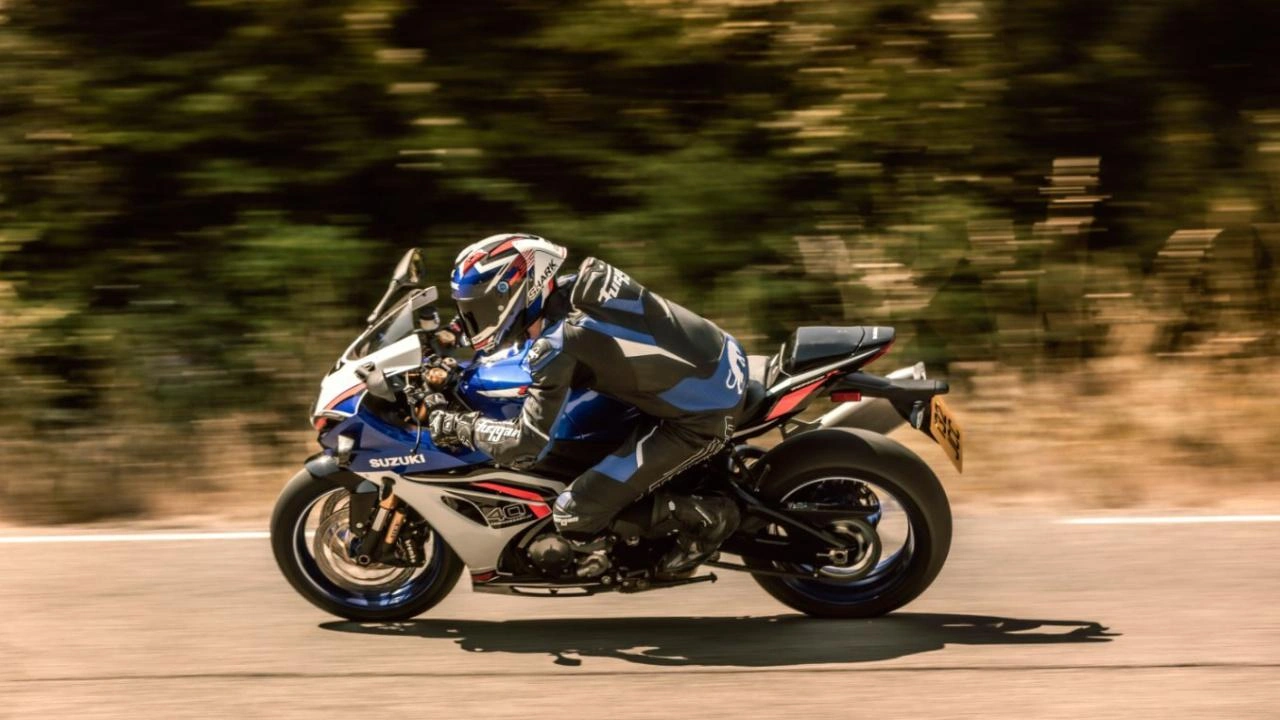
Suzuki models are designed to be simple and efficient. Ergonomic designs help ensure optimal comfort, even on longer rides.
Kawasaki bikes display slightly more aggressive and angular designs. These beautiful sport motorcycles are a great fit for riders who like to turn heads.
These different philosophies make it clear why both manufacturers usually appear on lists of the best road bikes every year.
Customization and accessories
Since both manufacturers offer broad lineups with a wide variety of options, it is quite easy to find a motorcycle to your taste, whether from Suzuki or Kawasaki.
Economic duel: value and upkeep costs
Purchase price: Suzuki vs. Kawasaki comparison
Suzuki’s constant drive for efficiency also translates into models that are generally more economical.
Longevity and maintenance costs
Both manufacturers produce reliable and durable models. However, Kawasaki’s high-performance motorcycles often require more maintenance than Suzuki models.
Suzuki or Kawasaki: whatever your preference, Motos Illimitées is your ideal partner for a successful purchase
Whether you prefer Suzuki or Kawasaki, visit us today at Motos Illimitées in Terrebonne, near Montreal.
We have several models from both manufacturers and our experts will be happy to help you decide which motorcycle to choose between Suzuki and Kawasaki.
FAQ
What is better, Kawasaki or Suzuki?
Neither manufacturer is better than the other. Kawasaki offers models focused on maximum performance, while Suzuki often presents more ergonomic motorcycles designed for everyday use.
What is the most reliable motorcycle brand?
Although both manufacturers generally receive high reliability ratings, Suzuki motorcycles are recognized for their dependability.
On the other hand, Kawasaki motorcycles are very durable, but their high-performance models often require more frequent maintenance due to their more complex and powerful engines.
Are Suzuki motorcycles reliable?
Yes, Suzuki motorcycles are very reliable. If you are looking for an efficient motorcycle that requires little maintenance, Suzuki models are a solid choice.